Root Canal vs. Extraction: Make the Right Choice for Your Oral Health
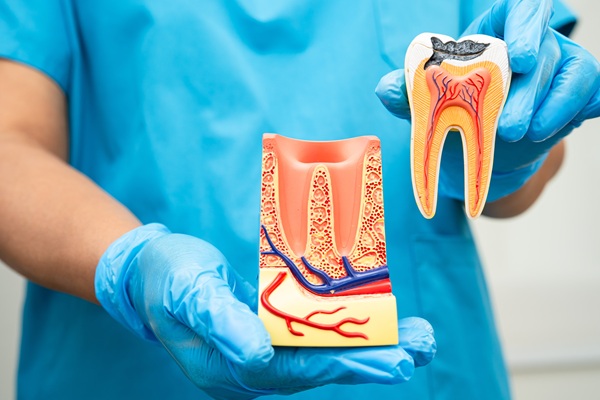
Root canal treatment often appears as a reliable option for saving a severely damaged or infected tooth, while extraction removes the tooth entirely. Both options offer advantages and disadvantages, but a few factors help the dentist determine which procedure to perform. Understanding the benefits and considerations of each choice can help you become an active participant in crafting your oral health plan.
Understanding root canal therapy
A root canal procedure targets the infected or damaged pulp. A dentist numbs the area and then creates an opening in the top of the tooth to reach the pulp chamber. The dentist removes decayed tissue, and the inner space is thoroughly cleaned. After cleaning, a biocompatible material fills the canal to prevent further infections. An appropriate restoration, such as a crown, then covers the treated tooth to reinforce structural support.
Root canal therapy allows the tooth to remain functional within the jaw. This approach usually preserves surrounding bone density, maintains natural alignment, and avoids potential gaps that encourage the shifting of neighboring teeth. Retaining natural teeth also supports normal chewing and biting forces, which play a significant role in healthy digestion.
Considering tooth extraction
Extraction involves removing the entire tooth from its socket. This option may become necessary when the tooth's structure is severely compromised or an infection threatens the surrounding bone. Dentists sometimes advise extraction if the tooth is fractured below the gum line or lacks enough healthy tissue to sustain a successful restoration.
Although extraction can relieve pain and remove sources of infection, it creates a noticeable space in the mouth. Therefore, a replacement, such as dental implants, bridge, or partial denture, is necessary to ensure the gap does not lead to shifting of adjacent teeth and possible issues with bite balance. In some cases, an extraction may be more suitable if the tooth is non-restorable, but careful evaluation is always necessary.
Factors influencing the dentist's decision
Before recommending a root canal or extraction, a dentist examines the tooth's structural integrity, the extent of infection or decay, and the patient's overall oral health. Budget, time constraints, and personal preferences may also influence the choice. In many cases, root canal therapy helps preserve a full-functioning tooth, which often promotes more natural chewing and a familiar smile. However, the dentist may recommend an extraction as the more appropriate solution if the tooth has a large-scale fracture or extensive decay that compromises the tooth's foundation.
Restore your oral health at Southland Smiles
Root canal therapy and tooth extraction address severe damage and infection, but the present distinct outcomes for long-term oral health. A root canal retains the natural tooth whenever possible, preserving important structures that help maintain alignments and normal biting forces. An extraction removes the source of pain and infection but leaves a space that will require an artificial replacement. If you are having problems with one or multiple teeth, contact Southland Smiles. We can schedule an evaluation to determine the most effective solution to fit your needs.
Request an appointment here: https://yoursouthlandsmiles.com or call Southland Smiles at (720) 599-2961 for an appointment in our Aurora office.
Check out what others are saying about our dental services on Yelp: Root Canal Treatment in Aurora, CO.
Related Posts
A broken or lost restoration can cause unexpected pain, stress, and difficulty eating or speaking, which is why many people contact an emergency dentist for quick relief. Whether a crown has fallen out or a filling has fractured, prompt attention helps prevent further damage, infection, or discomfort. Seeking help right away protects the surrounding teeth…
Your general dentist can perform cosmetic dental services. These treatments aim to enhance one’s smile and general appearance. They also keep gums and teeth healthy. The following are the cosmetic dental services your general dentist may offer.Dental misalignment can cause more oral issues like gum disease. A patient may get traditional braces or clear aligners,…
A cosmetic dentist can help you enhance multiple aspects of your smile's appearance. If something in your smile bothers you, chances are cosmetic dentistry has a solution for it. From teeth whitening to bonding and veneers, cosmetic dentists are helping people smile with greater confidence.A cosmetic dentist is any dentist who provides services aimed at…
Cosmetic dentists aim to help patients get the smile of their dreams. Because everyone has different ideas of what their dream smile looks like, their care plans are different, making it possible to have one or multiple treatments. However, more often than not, a smile-brightening treatment is included. Cosmetic dentists primarily use three proven ways…